
Ladies and gentlemen, imagine yourselves back in time, nearly 900 years, to the middle of the 12th century. Imagine that you are in the Great Hall at the court of Raimbaut d’Aurenga in the castle of Courthézon, three days’ ride east of here, on a good horse, a little north of Avignon …
Last week, in the sultry atmosphere of the Salles des Fetes in Laguépie, France, on the hottest evening of the year so far, I launched the new editions of my five historical novels and spoke on the medieval female troubadours as part of the Occitan University festival.

My final novel of the five, Almodis: The Peaceweaver, was published last week and is based on the life of the 11th-century Occitan female lord, Almodis de La Marche, countess of Toulouse and Barcelona.
Subscribe (for free) to my new Substack to read the full text of my talk and listen to a recording of Amandine Rey singing Castelloza’s ‘Amics,s’ie.us trobes avienen’ / Friend, if I had found you kind’.
https://traceywarr.substack.com/subscribe?

There are 38 female troubadours with surviving poems or named in other manuscripts. In the 11th–13thcenturies, 10–12% of lords in southern France and Catalonia were women, holding power in their own right. Not the picture of medieval women you were expecting? Read my talk on Substack (as a free subscriber) to find out more.
I spoke in English and Amandine kindly translated into French for our audience of English and French listeners.
I showed slides of the portraits of the female troubadours, female musicians in medieval manuscripts, and images of the Occitan female lords.
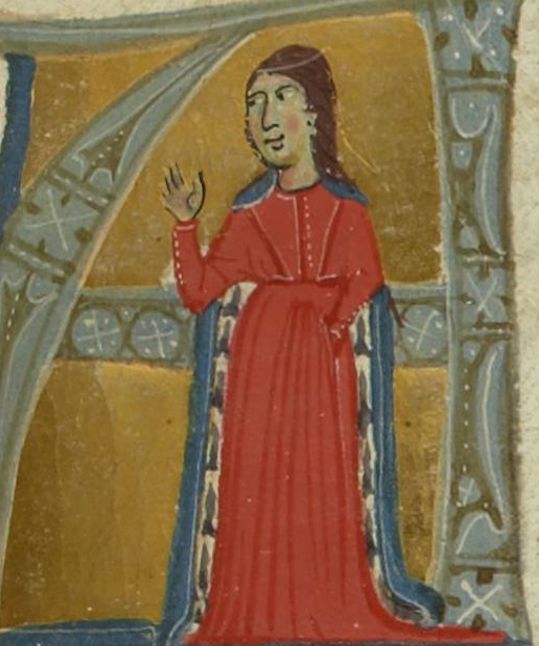
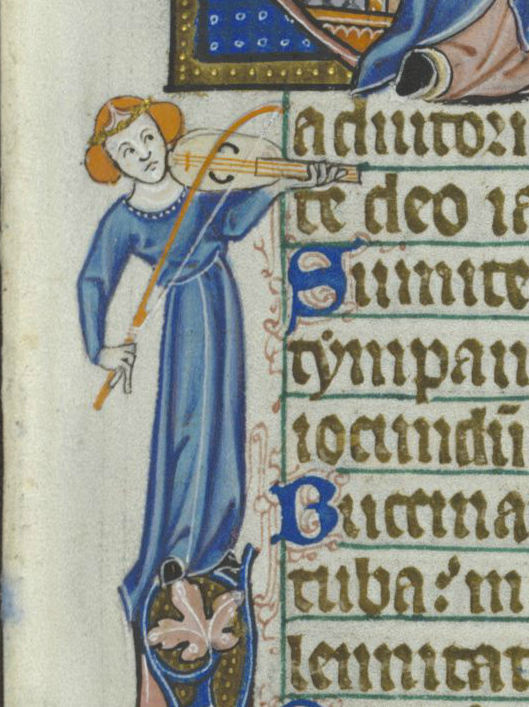


Images show the trobairitz Castelloza; female musician from the Peterborough Psalter; seal of Ermessende of Carcassonne, Countess of Barcelona (her name in Latin and Arabic); fresco of Lucia de La Marca, Countess of Pallars Sobira in the Pyrenees.
Cover Photo: Lou Viel Castle, Saint Martin Laguépie
 Tracey Warr Writing